
If you had to guess the English word with the most meanings, what would you go for? Okay, so there’s a bit of a spoiler in the heading – it is, obviously, ‘set’. According to the Oxford English Dictionary, ‘set’ has more definitions than any other word in English – over 430 (WHAT) across nouns, verbs and adjectives. That’s a lot of heavy lifting for one little three-letter word.
Here it is showing off just some of those meanings:
as a verb: you can set the table, set your alarm, set off fireworks or set a bone
as a noun: you can own a set of tools, perform on a film set, play a set in tennis or study a data set
as an adjective: you can have set beliefs, a set routine or a set expression on your face.
So how did that happen? Well, laziness, it seems. It’s much easier to adapt an existing word than come up with a new one (unless you’re Dickens, Carroll or Milton). ‘Set’ didn’t start out doing all that work though. It comes from the Old English verb ‘settan’ which was usually used to mean ‘to cause to sit or place something’. But even then people were stretching it to other things. Here’s a brief timeline of what happened next…
by the mid‑13th century, ‘set’ could mean ‘make or cause to do, act, or be; start or bring to a certain state’ (e.g. ‘set something on fire’, ‘set in order’) and also, randomly, ‘mount a gemstone’
by around 1300, it also meant things like ‘determine upon, resolve’ (as in ‘I’m set against setting that shoddy gemstone’)
by the late 14th century, it had also taken on the meaning of ‘make a table ready for a meal’ and ‘regulate or adjust by a standard’ (like setting a clock)
after that, it all went nuts and loads of other uses followed in printing, music, medicine and many more, including idioms like ‘but I’ve set my heart on that shoddy gemstone’.
The adjective version has been around a while too. In late Old English (spoken from 900–1100ish), ‘set’ meant something like ‘appointed or prescribed beforehand’, eventually shifting to ‘fixed, immovable, definite’ and later ‘ready’.
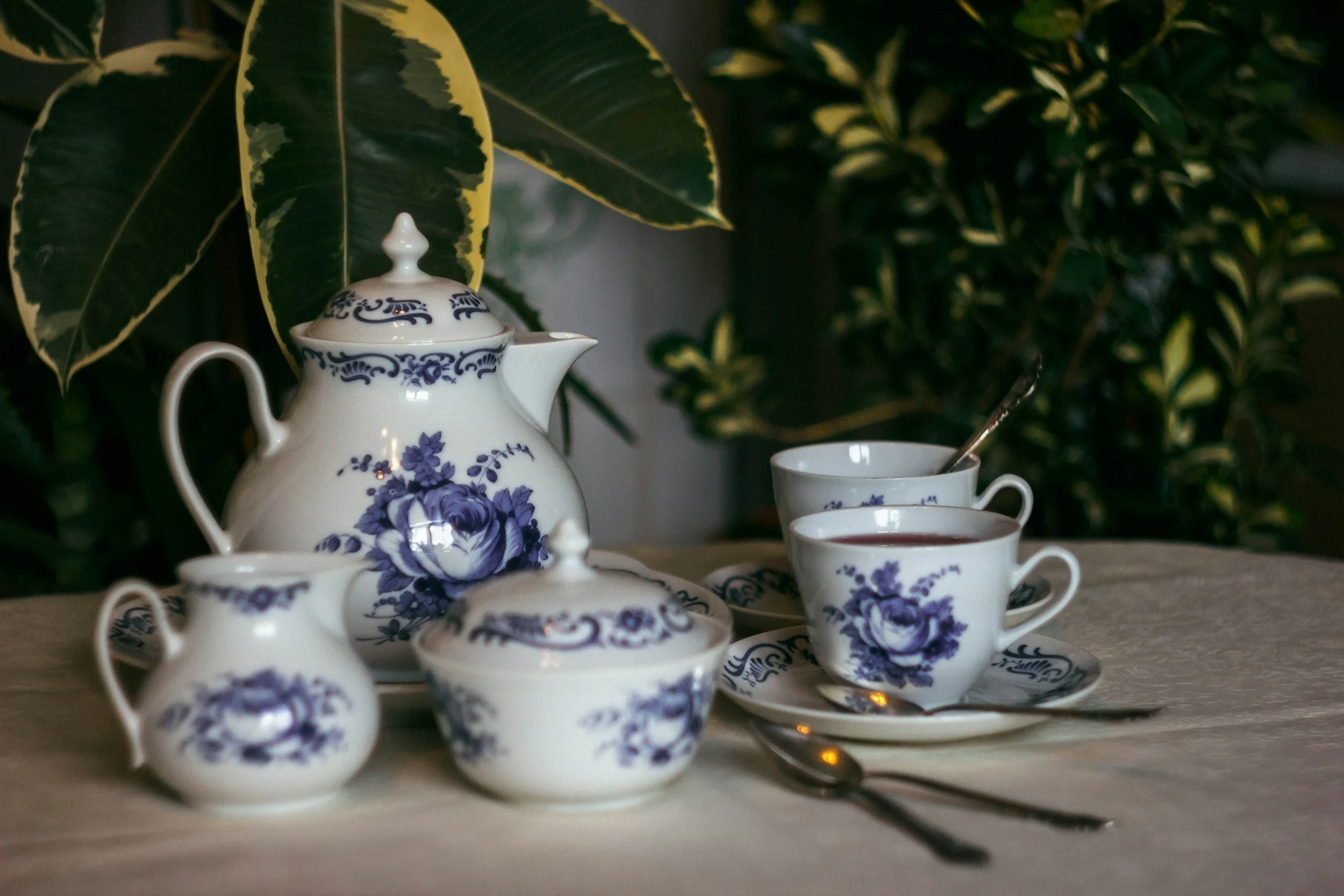
As a noun, it came about a bit later – around the mid‑15th century. Then it was linked to ‘religious sect’. Later, around Shakespeare’s time (the 16th century), it came to mean ‘collection of matching things’ (like a tea set, for example).
I asked ChatGPT for a sentence that uses lots of different meanings of set, and here’s what it came up with (deep breath):
Yesterday I set my alarm too early, so I set my feet on the cold floor and set off down the hall, only to find the builders had set ladders against the wall, while the decorator had set about painting the ceiling; in the kitchen I set a pan of milk to warm, then set the table with a breakfast set, but before eating I set my phone to silent, set my watch by the radio pips, and set my mind to solving the crossword, until the dog set up a racket at the postman, who was trying to deliver a boxed chess set, which reminded me to set aside time later to meet friends for a set at the tennis club, though I feared the rain clouds already set in would set back our plans, so I set down my pen, set my heart on baking instead, and left the cake mixture on the side to set.
That squeezes in 20 meanings of ‘set’ which are (assuming there’s anyone still reading this):
set = adjust/alarm
set = place (feet on floor)
set off = depart
set = position/prop (ladders)
set about = begin/attack task
set = put to cook (pan)
set the table = prepare for meal
set (noun) = group of items (breakfast set)
set to silent = adjust/arrange
set watch = regulate/adjust
set one’s mind = focus
set up = cause to make a noise
set (noun) = boxed collection (chess set)
set aside = reserve
set (noun) = a tennis sequence of games
set in = begin (weather)
set back = delay
set down = put in writing
set one’s heart on = desire
set (of jelly/cake) = solidify
I’m off for a lie down now.
