
This one sounds American, and that’s because it is. You’ve probably heard it US films or TV used in the same way we’d say ‘shed/shitload’: ‘I’ve got a buttload of laundry’ or ‘They made a buttload of money’. It just means ‘a lot’.
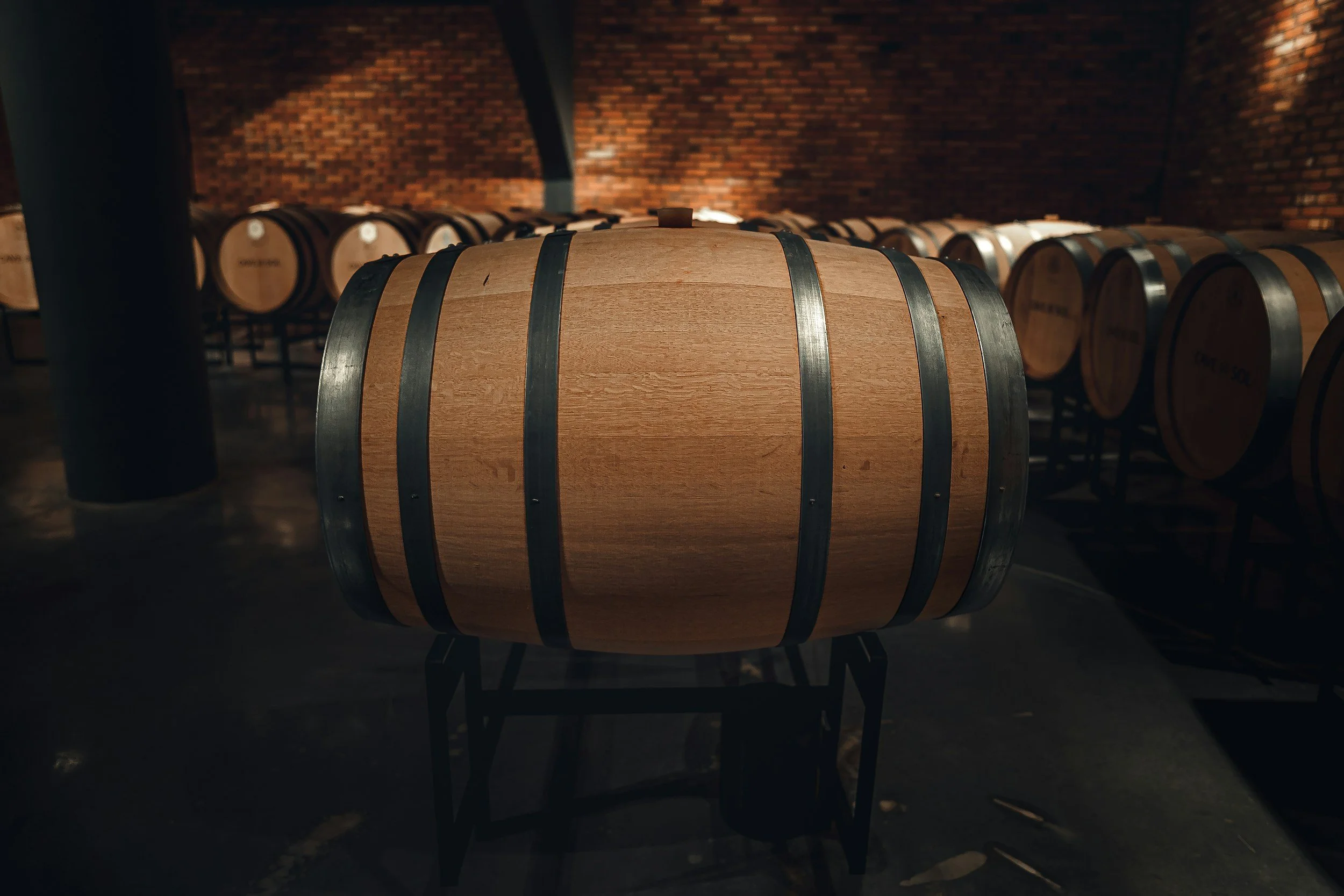
Before you start muttering ‘These words of the week have really gone downhill, Emma,’ ‘buttload’ IS a real word. And it’s nothing to do with bottoms. If you’re a gardener, you might already be one step ahead of me – because the ‘butt’ of ‘buttload’ is the same one you might use to collect rainwater, AKA a waterbutt. That’s because ‘butt’ is an old word for a barrel. But it was a more fun barrel than a waterbutt, as this one was filled with wine or beer. A standard butt held about 108 imperial gallons or around 477 litres. So a ‘buttload’ literally meant the amount a butt could hold. You can even find references to ‘buttload’s in old brewing and shipping records. (I told you it was real.)
The slang version first appeared in print as a jokey way to say ‘loads’ in the late 1980s. That was in an autobiographical cult (according to Amazon) travelogue called ‘Los Angeles Without a Map’ by Richard Rayner, first published in 1988 (and made into a film starring David Tennant in the 90s). According to the synopsis, Brit Rayner left his long-term girlfriend and steady job in London to ‘fly on a whim to track down Barbara, a bunny girl, athlete and party head’. A party head is 80s slang for someone who likes to have a good time, apparently. And Richard sounds like a buttload of dickheads, frankly.
