
I came across this word in a short story by Naomi Novik called ‘Castle Coeurlieu’ which scared the crap out of me, something that’s quite hard to do to this hardcore horror-film watcher. If you haven’t read it, it’s a brilliant, claustrophobic tale about a woman named Isabeau who has to navigate a shifting, predatory castle to save her stepson. If I didn’t sleep on a divan bed that’s full of crap, I definitely would have had to check under it before turning off the lights.
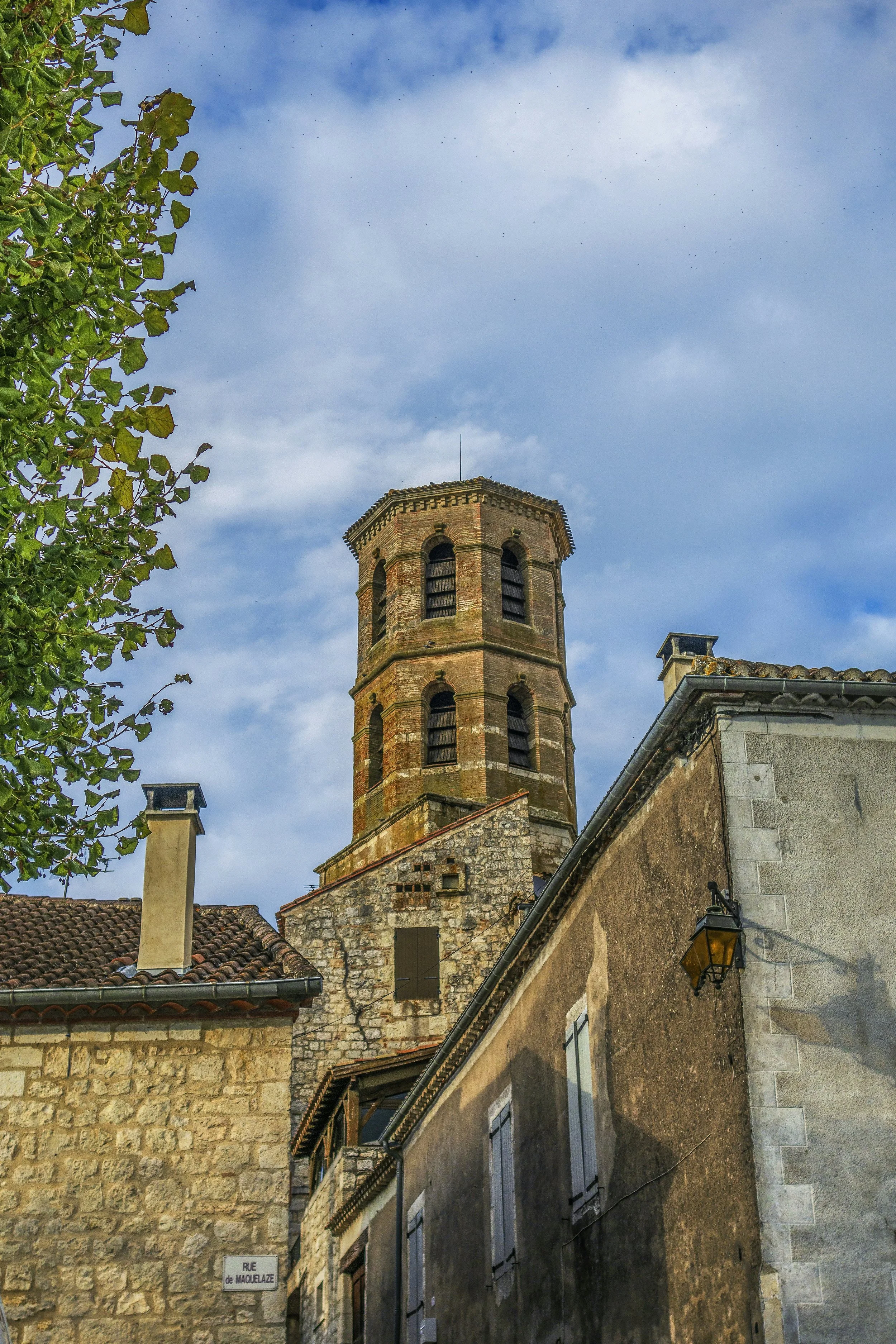
Anyway, back to the donjon. It’s the innermost keep or the strongest tower of a castle – a massive, vertical structure designed to be a final refuge when the outer walls have failed and everything has gone tits up. Think of it as a fortress-within-a-fortress. In Novik’s story, the donjon isn’t a place of safety though – it’s a sentient, hungry labyrinth where, after dark, the rules of time and space are twisted into something other.
‘Donjon’ is an Old French word, which grew out of the Gallo-Roman ‘dominio’, meaning ‘lordship’ or ‘mastery’. That’s because a donjon was all about the physical manifestation of a lord’s power – his (phallic? Probably) ‘dominion’ over the landscape. But over time, the word underwent a bit of a branding disaster. Because the safest place to stash people who pissed you off was in the windowless foundations of these towers, the ‘donjon’ of the elite eventually morphed into the English word ‘dungeon’. From proud prick to pitiful pit.
Donjons were masterpieces of medieval paranoia. Many were built with spiral staircases that turned clockwise as they went up. This gave right-handed defenders plenty of room to swing their swords down at intruders, while the attackers coming up the stairs would bash their sword arms against the central stone pillar. Why no one recruited a left-handed army is beyond me though. (Clearly there were no one women involved in this.)