Louis XIV

dragoon

I’m not sure what I thought ‘dragoon’ meant, but I think I’ve been conflating it with ‘platoon’ all my life. And maybe also ‘doubloon’.

It turns out that ‘dragoon’ isn’t even a noun (a person, place or thing) – it’s a verb (doing word). If you dragoon someone, it means you pressure or force them into doing something they don’t really want to do. It’s not always aggressive – it could just be heavy-handed persuasion – but it definitely suggests a lack of choice. Think of being ‘dragooned into organising the office Christmas party’ when all you want to do is go home and watch ‘Kirstie’s Handmade Christmas’ with an eggnog. (Every Christmas I thank god I no longer have to run the gauntlet of senior colleagues and free alcohol. And that’s all I’m going to say about that.)

Like many good words, ‘dragoon’ started out in uniform. In the 1600s and 1700s, a dragoon was a mounted European infantryman – someone who rode to battle but fought on foot. They were named after their weapon, a short musket so-called due to its resemblance to a fire-breathing dragon when fired.

Here’s where things get a bit darker. Under Louis XIV in 17th-century France, dragoons were sent to persecute French Protestants (Huguenots) – often moving in with them forcibly and staying until they converted to Catholicism. This coercion was so notorious that ‘dragoon’ eventually became a verb, meaning to force someone to do something, echoing that original, presumably very literal, form of arm-twisting.

So next time someone’s trying to make you do something you don’t want to, try telling them you refuse to be dragooned – it might not get you out of it, but at least your resistance will sound stylish.
coiffeur

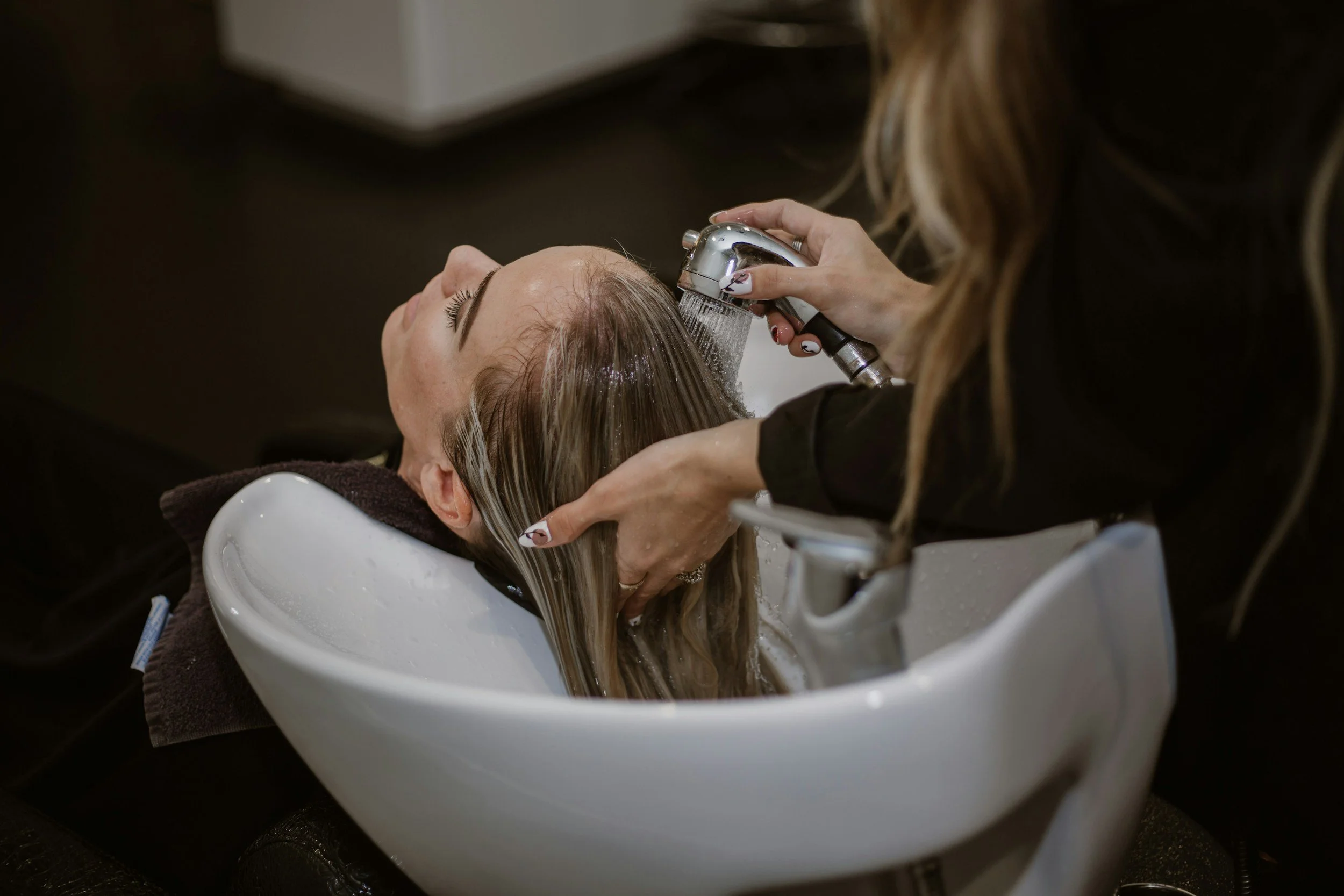
My lovely hairdresser asked me if I could so a hairdressing-related word for her. So this one’s for you, Alexia.

A coiffeur is a fancy word for a professional hairdresser, particularly one who specialises in styling hair. It’s a French word that specifically refers to a male hairdresser (obviously). The female version, ‘coiffeuse’, appeared later, although that distinction has pretty much gone these days and we use ‘coiffeur’ for everyone. (Just once I’d love it if we started using the female version of something for everyone, but I don’t think that’s ever going to happen.)

Coiffeur’s roots (pardon the pun) go back to the French verb ‘coiffer’, which meant ‘to cover or dress the hair’. This verb comes from the Old French word ‘coife’ which referred to a headdress or cap worn in the Middle Ages (that comes from the Late Latin – AKA, Latin used roughly between the 3rd and 6th centuries – ‘cofia’, meaning a helmet or a head covering). A coife was a close-fitting hat that covered the top, sides and back of the head, and was often made from linen or another soft fabric. It was tied under the chin, keeping it secure. But definitely not very cool, judging by that description.

Over time, the meaning of ‘coiffer’ evolved and by the 17th century, it had come to describe the act of styling or arranging hair. And that’s where we got ‘coiffeur’ from.

During the reign of Louis XIV (the Sun King) in France, coiffeurs were highly regarded as artists, and were often employed by the aristocracy to craft elaborate wigs and hairstyles. A coiffeur’s work wasn’t just about cutting hair – it was about creating a statement. One of the most famous was Claude de Rambouillet, known professionally as ‘Monsieur Champagne’ (best name ever), who was known for creating elaborate baroque hairstyles at the French court, incorporating ribbons, jewels and feathers.

Bonus hairdressing word: tonsorial. In Holt in Norfolk, there’s a barbershop called ‘The Tonsorial Artist’. (it has an excellent sign) That comes from comes from the Latin word ‘tonsor’, meaning ‘a clipper’ or ‘a shearer’, and ‘tondere’, meaning ‘to shear’ or ‘to clip’. Head to their website to find out the origin of the barbers’ pole, which, as it turns out, is gross.